
Joinery Types
- Home
- Joinery Types
Explore different joinery types, from custom cabinetry to built-in storage solutions, designed to suit residential and commercial spaces.
- BESPOKE JOINERY EXPERTS
Joinery Types Explained: A Guide to Every Style of Joinery for Your Home and Business
Understanding the different joinery types is the first step toward making informed decisions about your next renovation, fit out, or new build. Joinery is a broad trade that encompasses everything from the structural joints that hold your cabinetry together to the decorative panelling on your walls and the functional storage systems in your kitchen, wardrobe, and laundry. Each type of joinery serves a specific purpose, and understanding how it works helps you appreciate the craftsmanship behind every finished space.
At Farache Kitchens, we work across a wide range of joinery types for residential and commercial clients right across Sydney. Our custom joinery services cover kitchens, wardrobes, bathrooms, laundries, living areas, offices, and retail environments. Whether you are exploring options for your own home or planning a commercial fit out, this guide covers the key joinery types you need to know.

Structural Joinery Techniques: The Joints That Hold Everything Together
At the foundation of all joinery types are the structural techniques used to connect timber and board components into strong, lasting assemblies. Mortise and tenon joints are among the oldest and most trusted methods, where a projecting tenon fits snugly into a corresponding mortise hole for a tight, load bearing connection. Dovetail joints interlock two pieces with fan shaped pins and are prized in drawer construction for their exceptional strength and visual appeal.
Dowel joints use cylindrical wooden pins to align and secure panels, creating clean, concealed connections ideal for modern cabinetry. Mitre joints cut two pieces at matching angles for a seamless corner finish, commonly seen in frames and mouldings. Dado and groove joints slot shelves and panels firmly into channels cut into the carcass. Biscuit joints and domino joinery systems offer rapid, precise alignment for panel assembly. Box and finger joints extend timber lengths efficiently while adding visual character. Understanding these structural joinery types helps you appreciate why custom built cabinetry outperforms flat pack alternatives in strength, precision, and longevity.
Cabinet Joinery Styles for Kitchens, Wardrobes, and Bathrooms
Cabinet joinery refers to the construction styles used in fitted furniture and storage systems. These joinery types determine how doors, drawers, and panels relate to the cabinet frame and influence both the visual style and the performance of the finished piece. Face frame joinery uses a visible timber frame attached to the front of the carcass, creating a traditional, robust appearance. Frameless or European style joinery eliminates the face frame entirely, relying on thicker side panels and precise hinge placement for a sleek, modern look that maximises internal storage.
Inset cabinet joinery sits the door flush within the frame for a refined, furniture grade aesthetic. Overlay joinery positions the door over the frame, creating a clean surface with minimal gaps. Handle less push to open joinery and shadowline detailing deliver a minimalist profile that suits contemporary kitchens and wardrobes. Soft close systems on hinges and drawer runners are now standard across all custom joinery projects, adding quiet comfort and extending the life of the hardware. These cabinet joinery types form the basis of the kitchens, wardrobes, and vanities we build every day at Farache Kitchens.
- CUSTOM JOINERY SPECIALISTS
Custom Joinery Crafted For Your Space
Transform your home with bespoke joinery designed to suit your lifestyle. From kitchens and wardrobes to vanities and storage solutions, we deliver precision craftsmanship, premium materials, and seamless finishes tailored to you.
Architectural and Decorative Joinery That Elevates Interior Spaces
Beyond cabinetry, architectural joinery types add character, detail, and visual cohesion to an interior. Wall panelling adds texture and depth, transforming flat surfaces into features that define a room’s personality. Architraves and skirting boards frame doorways and floor lines with clean, considered profiles. Ceiling battens and coffered ceiling treatments add dimension and elegance to the overhead space. Bulkheads and feature walls provide both structural function and a canvas for integrated lighting, display shelving, and design expression.
Custom staircases are among the most dramatic applications of architectural joinery, combining structural engineering with refined timber craftsmanship. Window and door joinery frames the connection between inside and out, with timber offering natural warmth and superior thermal performance. These decorative and architectural joinery types elevate a home from standard to exceptional, and they are an area where Sydney custom joinery specialists like Farache Kitchens bring genuine skill and creativity to every project.

Interior Joinery Applications for Homes and Commercial Joinery for Business
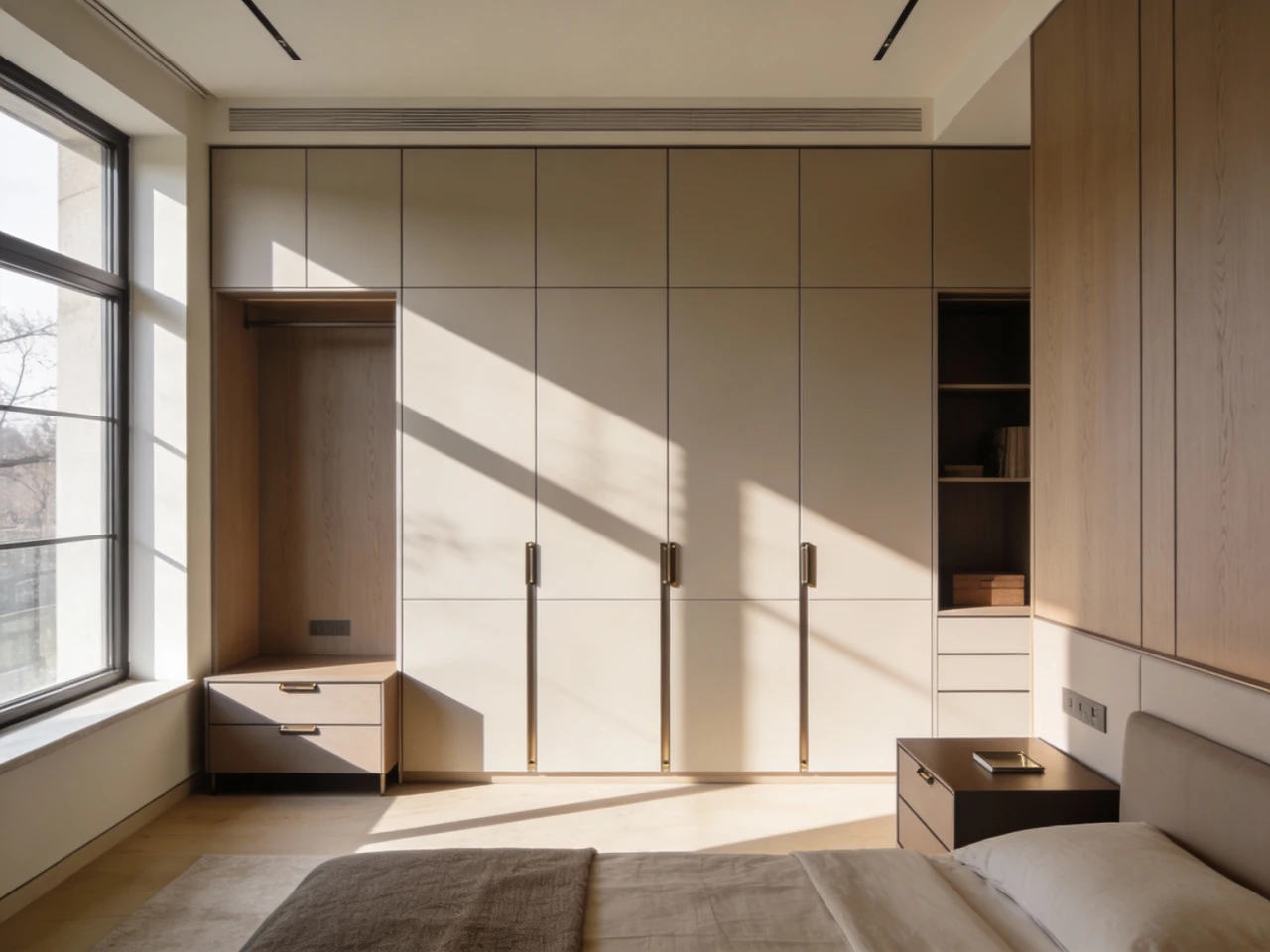
The most familiar joinery types are those you use every day in your home. Kitchen joinery includes base and overhead cabinets, pantry systems, island benches, and integrated appliance housing. Wardrobe joinery covers built in and walk in storage with hanging rails, shelving, drawers, and shoe racks. Bathroom vanities, laundry cabinets, media units, and study fit outs round out the residential applications where custom joinery delivers precision, personalisation, and lasting quality.
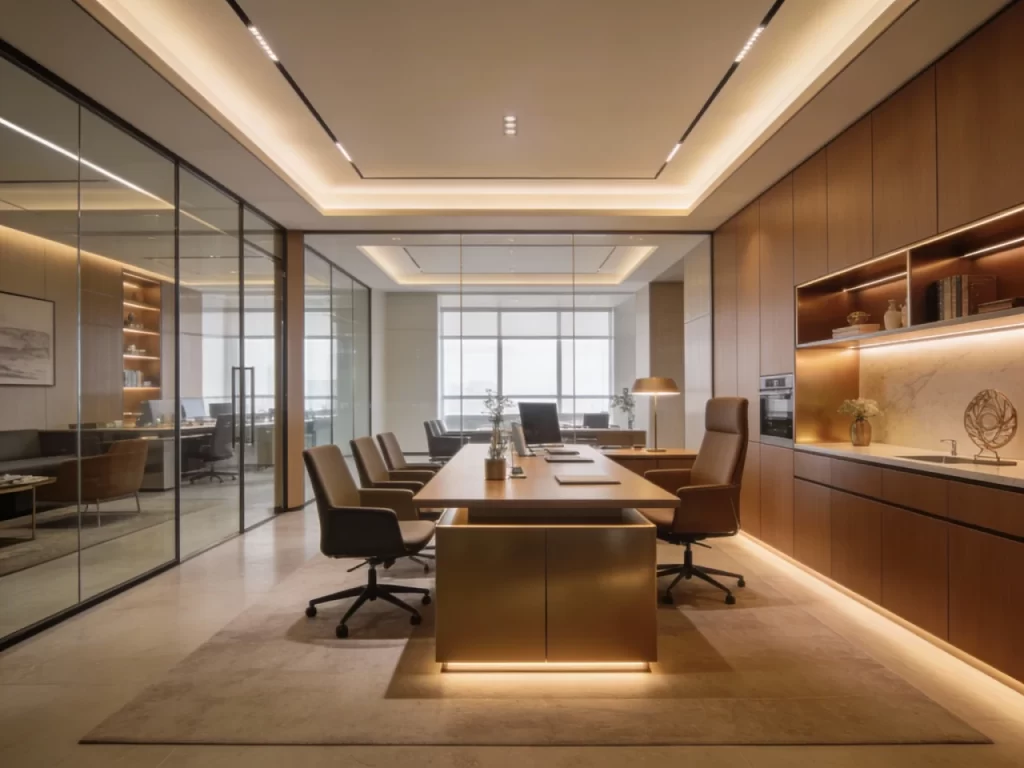
In commercial settings, joinery types include retail display units, reception desks, hospitality counters, office partitions, point-of-sale fixtures, and specialist cabinetry for medical and dental practices. Commercial joinery demands durability, compliance, and a finish that reflects the brand and professionalism of the business. At Farache Kitchens, our Sydney custom joinery services cover both residential and commercial applications, ensuring the same high standard of craftsmanship and care allacross the project types and scales.
- DESIGNED. BUILT. INSTALLED.
Bespoke Custom Joinery Made To Fit Your Space
From kitchens and wardrobes to vanities and tailored storage solutions, we create high-quality custom joinery designed around your lifestyle. Precision craftsmanship, premium materials, and flawless finishes — built to last.
Modern Joinery Innovations Shaping the Future of the Trade
The joinery industry is evolving rapidly, and new technologies are expanding what is possible in both design and construction. CNC machining allows complex cuts and profiles to be produced with extraordinary precision and repeatability, reducing waste and ensuring every component fits perfectly. Modular joinery systems offer flexibility for spaces that may need to be reconfigured over time, including offices, retail environments, and rental properties.
LED integration within cabinetry adds warmth, visibility, and a premium feel to kitchens, wardrobes, and display units. Sustainable joinery solutions use responsibly sourced timber, recycled materials, and low emission finishes to reduce environmental impact without compromising quality. Smart joinery with IoT enabled components, such as sensor activated lighting, motorised shelving, and app controlled access, is beginning to appear in high end residential and commercial projects. These modern joinery types represent the future of the trade, and our Sydney custom joinery team at Farache Kitchens stays at the forefront of innovation to deliver the best possible results for our clients.


Frequently Asked Questions About Joinery Types
The main joinery types used in kitchen and wardrobe construction include both structural joint techniques and cabinet construction styles. On the structural side, dowel joints, cam-and-dowel fittings, and biscuit joints are the most common methods for assembling carcasses, connecting panels, and securing shelving. Dovetail joints are frequently used in premium drawer construction for their exceptional strength and refined appearance. On the cabinet style side, frameless or European style joinery is the most popular approach in modern Australian kitchens and wardrobes, offering a clean, contemporary profile that maximises internal storage. Overlay and inset door styles determine whether doors sit over or within the frame, each creating a distinct visual character. Handle less push to open joinery and shadow line detailing are increasingly popular for their minimalist aesthetic. Soft close hinges and drawer runners are now considered standard across all quality joinery. At Farache Kitchens, we use a combination of these joinery types, tailored to each project, to achieve the best results.
Face frame and frameless cabinet joinery are two fundamentally different approaches to building cabinetry. Face frame joinery attaches a visible timber frame to the front of the carcass. This frame provides structural rigidity and creates a traditional, furniture like appearance with visible stiles and rails between doors and drawers. It is commonly associated with Hamptons, shaker, and classic kitchen styles. Frameless or European style joinery eliminates the face frame entirely. The cabinet box is built from thicker side panels, and doors and drawers are mounted directly to the carcass using concealed hinges and slides. This approach creates wider drawer openings, greater internal access, and a sleeker, more modern appearance. Frameless construction is the dominant style in contemporary Australian kitchens and wardrobes because it maximises usable storage and supports handle less and shadowline design profiles. Both styles have their merits, and the right choice depends on your aesthetic preferences and your home's design language.
Commercial fit outs use a range of specialised joinery types designed for durability, compliance, and brand presentation. Reception desks and hospitality counters require robust construction and premium surface finishes that withstand heavy foot traffic and frequent interaction. Retail display units use a combination of open shelving, concealed storage, and feature lighting to present products attractively while maintaining a clean, uncluttered appearance. Office cabinetry includes workstations, storage walls, and partitions that need to balance function with acoustic performance and aesthetic cohesion. Medical and dental practice joinery must meet specific hygiene and accessibility standards, using non porous surfaces and easy to clean materials. Point-of-sale fixtures are built for durability and frequent reconfiguration. Commercial joinery typically uses scratch resistant laminates, fire rated substrates, and reinforced hardware to handle the demands of public environments. At Farache Kitchens, our custom joinery team builds commercial fit outs to the same standard of precision and finish quality as our residential work.
Absolutely. Many of the innovations that were once exclusive to high end commercial projects are now readily available for residential homes. CNC machining has become standard in quality joinery workshops, enabling complex profiles, perfectly repeatable cuts, and tighter tolerances than traditional hand methods alone can achieve. This technology directly benefits homeowners through better fitting cabinetry and more intricate design options. LED strip lighting integrated within kitchen cabinets, wardrobe interiors, and display shelving adds both function and a premium feel at a very accessible price point. Modular joinery systems are well-suited to homes where rooms may need to be reconfigured over time, such as children’s bedrooms or home offices. Sustainable joinery solutions using certified timber and low emission finishes appeal to environmentally conscious homeowners. Smart joinery features, including sensor-activated lighting and motorised shelving, are appearing in premium kitchens and walk-in wardrobes. These innovations enhance daily living and are increasingly within reach for Sydney homeowners planning a renovation or new build.
Choosing the right joinery type for your renovation depends on the room, the function, your aesthetic preferences, and your budget. For kitchens and wardrobes, the first decision is typically between face frame and frameless cabinet construction. Frameless European-style joinery suits modern, streamlined interiors, while face frame construction complements traditional and Hamptons-style homes. The choice of structural joints, such as dowel, dovetail, or cam-and-dowel, affects the strength and longevity of the finished product. For living areas and bedrooms, architectural joinery such as wall panelling, built in shelving, and custom media units can add character and storage in equal measure. In commercial spaces, durability and brand alignment guide material and construction selection. The best approach is to discuss your project with an experienced joinery team who can recommend the most appropriate joinery types for your specific needs. At Farache Kitchens, our design consultation covers every aspect of material selection, construction methods, and finishes to ensure you get the right result for your space and investment.