
Timber Joinery
- Home
- Timber Joinery
Expertly crafted timber joinery that brings warmth, character, and lasting quality to your home or commercial space.
- BESPOKE JOINERY EXPERTS
Timber Joinery That Brings Natural Beauty and Lasting Strength to Every Space
There is a warmth and character to timber that no other material can match. Whether it frames a window, forms the bones of a staircase, or lines the interior of a beautifully crafted kitchen, timber joinery connects us to something timeless. It is both a craft and a science, combining traditional techniques with modern precision to create components that are as strong as they are stunning.
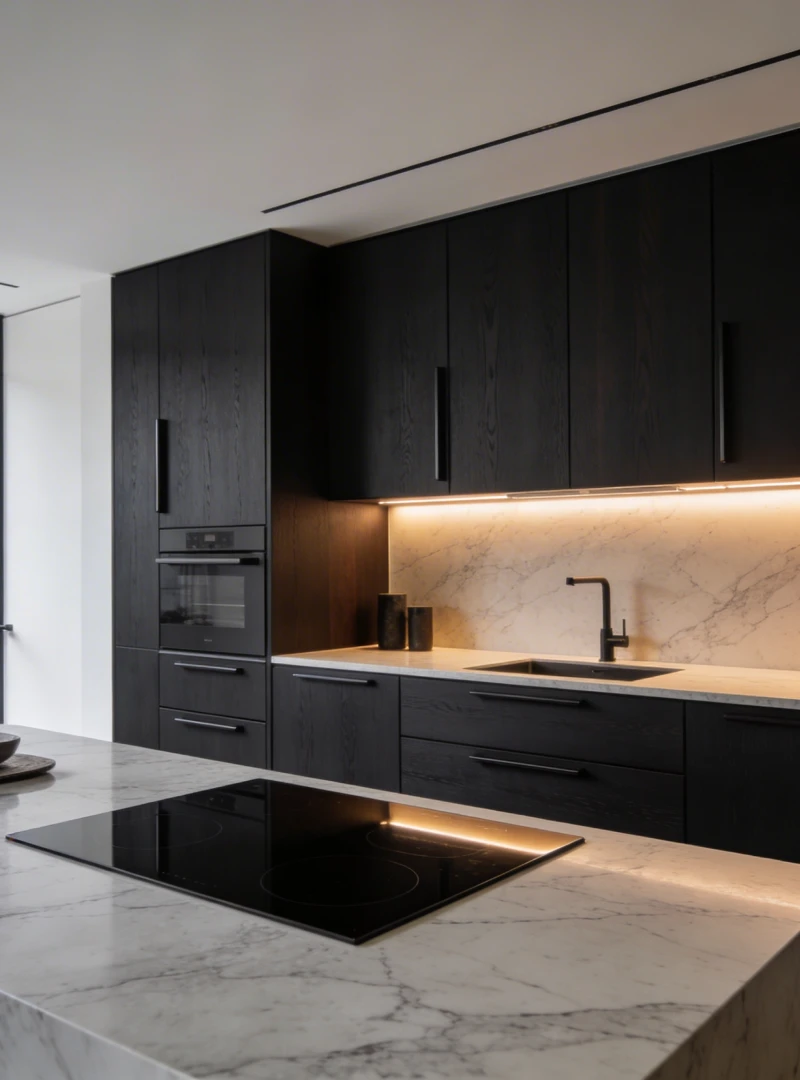
Timber joinery is the design and manufacture of timber-based components using both heritage and contemporary methods for structural, functional, and aesthetic purposes. From solid timber doors and cabinetry through to bespoke furniture and architectural features, the possibilities are as rich and varied as the grain of the wood itself. At Farache Kitchens, we bring decades of experience and genuine attention to detail to every project we take on. Timber joinery sits inside our wider custom joinery work, so a timber island bench and the cabinetry around it are designed and built as one piece rather than ordered separately.


Custom Designed Solutions
Each project is custom designed to suit your space and style, delivering smart storage solutions with a refined, seamless finish.
Quality Materials & Finishes
We use premium materials and trusted hardware to ensure durability, precision, and a flawless finish. Our joinery is built to perform beautifully for years to come.
Professional Installation
Our experienced team manages manufacturing and installation with care and attention to detail, delivering a smooth process and exceptional final result.
Hardwood Timber and Solid Timber Options for Every Application
Choosing the right timber is the foundation of any successful joinery project. Hardwood timber species such as Tasmanian oak, blackbutt, and spotted gum are prized for their strength, durability, and premium appearance. These timbers are ideal for high-traffic areas and feature pieces where visual impact matters.
Solid timber offers an authenticity and richness that engineered alternatives simply cannot replicate. It ages beautifully, developing character over time, and can be refinished repeatedly to restore its original lustre. For projects where budget flexibility is important, softwood options such as pine and cedar offer a lightweight, cost-effective, and versatile alternative that works well for painted finishes and structural components.
Reclaimed timber is another wonderful option for clients who value sustainability and character. Each piece carries its own history, adding texture and personality that brand-new materials cannot offer. Engineered timber products, such as laminated veneer lumber, provide dimensional stability and consistency, making them well-suited for large-scale installations and precision applications. Timber is rarely the only material in a finished room, and the materials we work with — surfaces, stone and board products — are chosen alongside the timber rather than after it.
Timber Joinery Applications for Homes and Commercial Spaces
The versatility of timber joinery is one of its greatest strengths. In the kitchen, it means beautifully crafted cabinetry, purpose-built storage, and elegant islands that become the heart of the home. For windows, solid timber frames deliver outstanding thermal efficiency and a natural aesthetic that aluminium and uPVC cannot match.
Timber doors, both internal and external, offer warmth, security, and a statement of quality at every entrance. Staircases crafted from hardwood timber serve as both structural and architectural elements, creating focal points that elevate an entire interior. Bespoke timber furniture rounds out the range, giving you the ability to commission one-of-a-kind pieces designed around your exact needs. The complete manufacture and installation of each component is managed by our experienced team, ensuring a seamless finish from workshop to your home.
- CUSTOM JOINERY SPECIALISTS
Custom Joinery Crafted For Your Space
Transform your home with bespoke joinery designed to suit your lifestyle. From kitchens and wardrobes to vanities and storage solutions, we deliver precision craftsmanship, premium materials, and seamless finishes tailored to you.
Joinery Techniques That Honour Tradition and Embrace Innovation
Great timber joinery is defined by the techniques used to bring it together. Traditional methods such as mortise-and-tenon joints have been trusted for centuries for their structural integrity and clean aesthetic. Dovetail joints showcase exceptional craftsmanship and are a hallmark of quality cabinetry and furniture making.
Finger joints offer precision and material efficiency, making them a smart choice for longer timber runs and sustainable production. Our joinery designers combine these heritage methods with modern machining technology to achieve tight tolerances and flawless results. It is this attention to detail in every joint, edge, and surface that sets professional timber joinery apart from mass-produced alternatives.

Finishes and Performance That Stand the Test of Time
The finish you choose for your timber joinery plays a critical role in both appearance and longevity. Natural oils enhance the grain and allow the timber to breathe, creating a warm and organic feel. Stains offer colour enhancement while preserving the natural texture beneath. Painted finishes deliver a uniform, contemporary look with excellent durability, and protective coatings guard against weather, moisture, and everyday wear.
Beyond aesthetics, solid timber and hardwood timber joinery deliver impressive performance across several key areas. Timber is a natural insulator, offering genuine thermal efficiency that reduces energy costs and improves comfort. It also delivers excellent acoustic performance, reducing noise transfer between rooms. When paired with quality manufacture and installation, timber joinery delivers decades of reliable, beautiful service.
Sustainable Timber Joinery for Responsible Living
Sustainability is woven into the very nature of timber joinery. Choosing sustainably sourced and certified timber ensures your project supports responsible forestry practices. Low-waste production methods, including efficient cutting techniques and careful management of offcuts, minimise environmental impact at every stage of manufacture and installation.
Perhaps the most compelling sustainability argument is longevity. Well-crafted timber joinery is built to last for generations, dramatically reducing the cycle of replacement and disposal that comes with cheaper, short-lived alternatives. When you invest in high-quality joinery design and skilled craftsmanship, you make a choice that benefits both your home and the environment. It is this attention to detail and commitment to lasting quality that make timber joinery one of the most responsible building decisions you can make.
- DESIGNED. BUILT. INSTALLED.
Bespoke Custom Joinery Made To Fit Your Space
From kitchens and wardrobes to vanities and tailored storage solutions, we create high-quality custom joinery designed around your lifestyle. Precision craftsmanship, premium materials, and flawless finishes — built to last.
Frequently Asked Questions
Get answers to common questions about our timber joinery services, process, timelines, and materials. We’re here to help you understand how we design, build, and install tailored solutions to suit your space and budget.
Timber joinery is the craft of designing and manufacturing timber components using a combination of traditional hand techniques and modern machining. It covers everything from window frames and doors to staircases, cabinetry, and bespoke furniture. Despite advances in synthetic materials, timber joinery remains highly relevant because of its unmatched warmth, natural beauty, and proven structural performance. Solid and hardwood timber components offer durability that can last for decades when properly crafted and maintained. Timber also provides natural thermal and acoustic insulation benefits that many modern materials struggle to replicate. For homeowners and businesses seeking a connection to craftsmanship, authenticity, and quality, timber joinery continues to deliver results that feel both timeless and contemporary. Experienced joinery designers can tailor every element to your exact specifications, making it one of the most personalised building solutions available today.
The best timber for your joinery project depends on the application, your aesthetic preferences, and your budget. Hardwood timber species such as Tasmanian oak, blackbutt, jarrah, and spotted gum are excellent choices for high-traffic areas and feature pieces due to their strength, density, and striking natural grain. Softwoods such as pine and cedar are lighter and more cost-effective, making them ideal for painted cabinetry, interior doors, and structural components where visual grain is less critical. Reclaimed timber offers unique character and sustainability credentials, with each piece bringing its own texture and history to the finished product. Engineered timber options, such as plywood and laminated veneer lumber, offer outstanding dimensional stability and are well-suited to larger installations where consistency is critical. Your joinery designers will guide you through the selection process to find the perfect balance of performance, appearance, and value for your specific project.
The timber joinery manufacturing process follows a carefully structured sequence to ensure quality at every stage. It begins with timber selection, where species are chosen and graded based on strength, appearance, and suitability for the intended application. The timber then undergoes seasoning, a controlled drying process that reduces moisture content and ensures long-term stability. Once seasoned, the timber moves to machining, where precision cutting and shaping bring the joinery design to life with tight tolerances and clean edges. Assembly follows, using proven joinery techniques such as mortise-and-tenon, dovetail, or finger joints to create strong, lasting connections. Finishing is the final workshop stage, with options including natural oils, stains, painted finishes, or protective coatings, depending on the desired look and performance requirements. The completed components are then delivered for on-site fitting, where careful installation and thorough quality checks ensure everything aligns perfectly in its final environment.
In general terms, yes. Hardwood timber is denser and more resistant to wear, impact, and moisture than most softwood species, making it the preferred choice for high-traffic applications such as flooring, staircases, exterior doors, and feature cabinetry. Species like blackbutt, spotted gum, and jarrah are renowned for their exceptional hardness and longevity. However, durability is not the only factor to consider. Softwoods like pine and cedar offer excellent workability, lighter weight, and a more affordable price point, making them a practical and attractive choice for internal joinery, painted finishes, and structural components where extreme hardness is not essential. The right choice depends on where and how the joinery will be used. A skilled joinery designer will assess your specific needs and recommend the most appropriate timber species to ensure your project delivers the best possible balance of performance, appearance, and long-term value for your investment.
Absolutely. Timber is a natural insulator with significantly better thermal performance than materials such as aluminium or steel. Solid timber window frames and doors help to reduce heat transfer, keeping your home warmer in winter and cooler in summer without relying as heavily on heating and cooling systems. This improved thermal efficiency can lead to noticeable reductions in energy bills over time. Timber also offers acoustic benefits, helping to dampen sound transfer between rooms and from external sources, creating a quieter and more comfortable living environment. When your timber joinery is crafted from quality materials and installed with precision, its performance is maximised. Sustainably sourced timber adds another layer of environmental advantage, as timber production generates significantly lower carbon emissions than manufacturing aluminium or plastic alternatives. Investing in high-quality timber joinery is one of the most effective ways to improve both your home's comfort and its environmental footprint.